The Real Secret to Climbing Ranked: It Is Not Aim
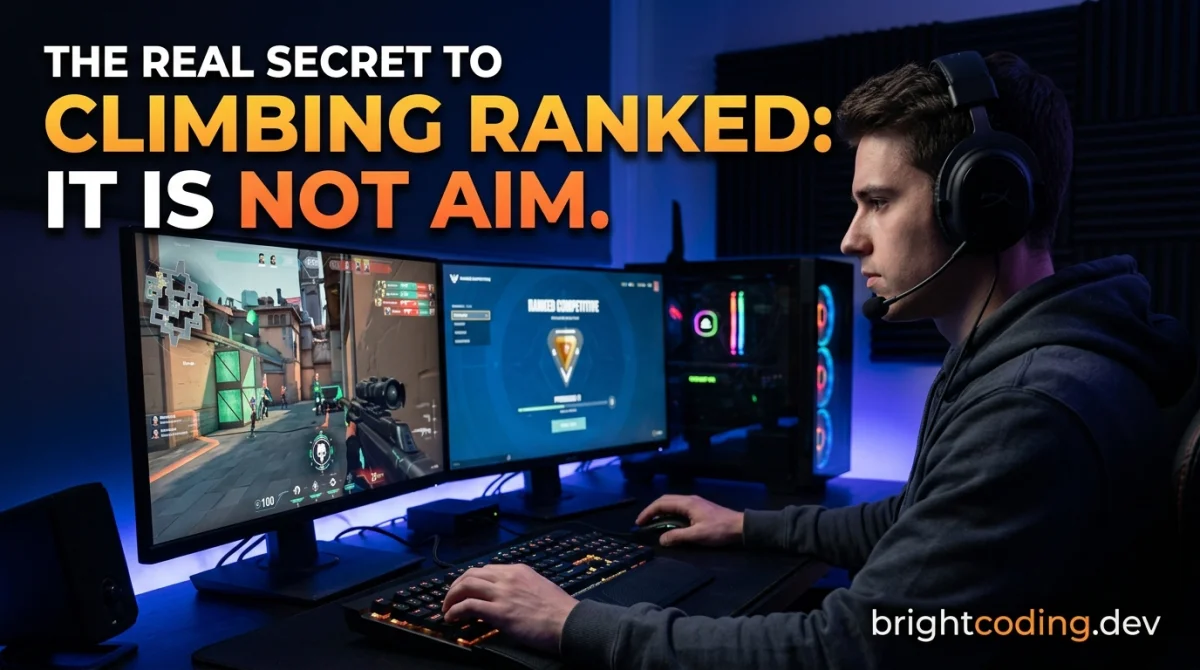
Ask any hardstuck player why they lose and the answer is almost always the same: my aim is bad. Then a strange thing happens when you spectate them. Their aim is actually fine. Their positioning is off, their cooldown timing is sloppy, and they chase fights they should never take. The real secret to climbing ranked is not aim, and it never was. Aim is the polish. Decision making is the engine. Once you treat every match like a series of small choices instead of a reaction contest, your rank will climb faster than any sensitivity tweak ever will.
Quick answer: Aim looks like the difference between ranks, but it is the last thing that improves. Higher ranked players win because they make fewer bad decisions: better positioning, smarter engagements, and more disciplined resource use. Fix your decision making first and your mechanics will catch up, not the other way around. In one month of decision-focused practice you can jump more divisions than in a year of grinding aim trainers.
The Aim Myth and Why It Persists
Aim is measurable, decisions are not. You can watch a death replay and blame the missed shot, because the shot is visible and easy. The bad position that caused the fight is abstract, so it never gets the blame. That is why players grind aim trainers, copy sensitivities, and buy better mice: it feels like progress. In reality, the common mistakes that cost you wins are almost never mechanical. They are positional and judgment errors repeated every single match until they become reflexes nobody questions.
What Higher Ranks Actually Do Differently
In most games the mechanical gap between gold and diamond is real but small. The decision gap is enormous. Higher ranked players do the same things as you, just at better moments, and that changes everything:
- They take fights only with a clear advantage.
- They trade damage deliberately instead of reacting on instinct.
- They rotate before pressure arrives, not after it is too late.
- They track cooldowns, ultimates, or economy without thinking about it.
- They never chase kills at the cost of map control or objectives.
None of that shows up in an aim score. All of it shows up in the win column, and that is the only number that moves your rank.
The Three Decisions That Decide Most Matches
1. Engagement Choice
Whether you fight at all. Most lost games are lost before the first shot, because someone took a fight with no exit plan. Ask one question before every engagement: what do I win here, and what do I lose if it goes wrong?
2. Resource Management
Cooldowns, ammo, gold, and time. Beginners spend them on impulse and then starve at the exact moment the game turns. Higher ranks treat resources as a plan, and they hold them for the fights that matter.
3. Positioning
Where you stand before, during, and after a fight decides who shoots first, who escapes, and who dies. Good positioning makes aim optional; bad positioning makes perfect aim useless.
Training Decisions Like a Pro
Pros do not just warm up mechanics, they run VOD review sessions after every loss. The process is simple: record your games, rewatch your deaths and big decisions, and tag each error by type. After a week you will notice that 80 percent of your losses come from the same two or three decision types. Fix those and you fix most of your losses at once. This is exactly how pros practice: they spend their training time on decisions, not on flick shots, because decisions are where the rank actually lives.
A Routine That Buys You a Rank
- One fully focused game a day beats five autopilot games.
- After every death, ask one question: where did I decide wrong?
- Review one replay per week and log three decision errors.
- Learn the hidden mechanics most players never discover that hand out free advantages.
Most of these habits start as beginner mistakes that keep players stuck at low rank, and that is good news. It means the fixes are known, cheap, and repeatable. You are not reinventing anything, you are just finally doing the boring stuff.
The Mental Side of Climbing
Good decisions need a calm brain. A tilted player makes worse choices and then blames aim for the results, which closes the loop. Accept that some games are unwinnable and focus on the ones your decisions can flip. Climbing is a compounding process: one better decision per game becomes one extra win per day, which becomes an entire rank per month.
Key Takeaways
- Aim is polish; decision making is the engine of every climb.
- Higher ranks win through engagement choice, resources, and positioning.
- Review replays and tag errors by type to find your real weaknesses.
- One focused game beats five autopilot games every time.
- Fix decisions first and mechanics will catch up on their own.
- A calm brain makes better choices, so protect your mental state.
Frequently Asked Questions
Is aim really not important for climbing?
Aim matters, but only at the edges. Between equal ranks it rarely decides games, while a single bad engagement decision decides them constantly. Fix decisions first and aim becomes the last 5 percent.
How do I train decision making in game?
Play fewer, more deliberate games. Pause at decision points, ask why you are doing what you are doing, and review one replay per week. Log your errors and you will see patterns within days.
How long until better decisions show up in my rank?
Most players see a shift within two to four weeks. The win rate usually improves before the rank updates, because MMR lags behind your real level.
Why do I blame aim even when I know better?
Because aim is visible and easy to name, while decisions are abstract. The habit is normal, but it is also the exact thing keeping your rank flat.
Conclusion
The secret to climbing ranked was never hidden in your settings menu. It lives in the choices you make before, during, and after every fight. Stop polishing the wrong skill, start logging your decisions, and give the process a month. You will watch players with worse aim pass you in rank while you wonder why it took you so long to notice.
If this reframed how you see ranked, share it with a friend who still blames their aim, and tell us in the comments which decision habit you are fixing first.
Ready to play?
Puzzle, arcade, 3D, word & sports games for every age — instant play, no registration.
Comments
No comments yet. Be the first to share your thoughts!