From Panel to Pixel, Manga Games Done Right and Wrong
Keep reading: Best Manga Video Game Adaptations Ranked by Fans, Anime Crossover Events in Live-Service Games, Ranked, Visual Novels 101: What They Are and Where to Start, and Unlockable Endings You Might Have Missed.
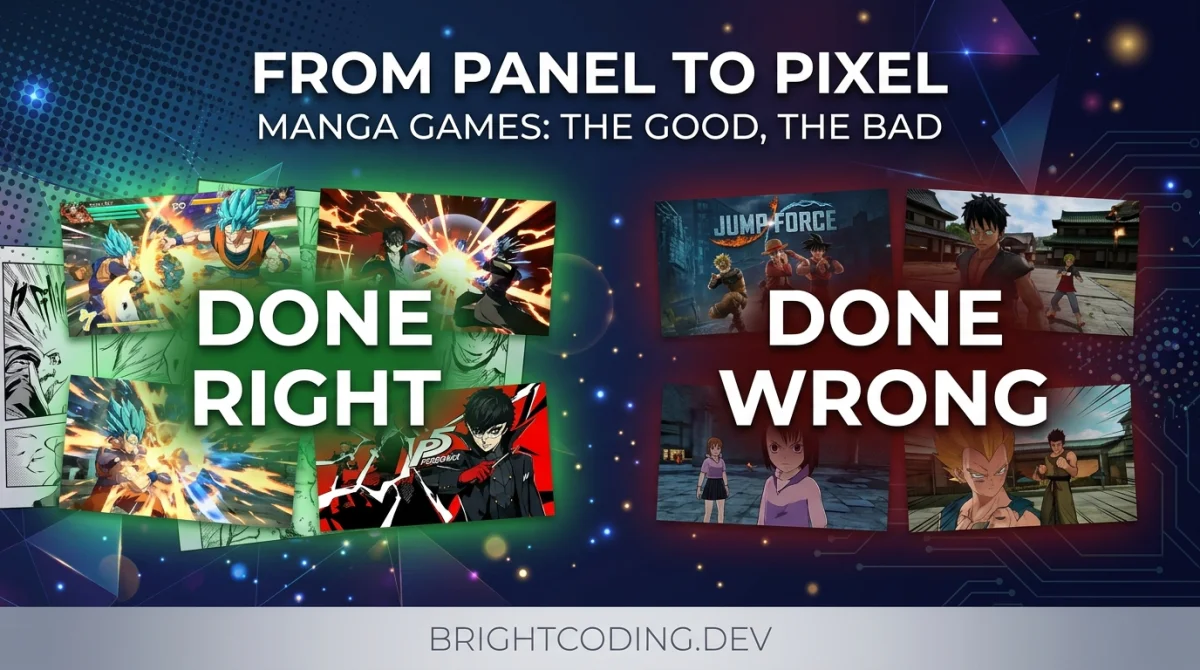
Adapting manga into games is a high-wire act: honor the panels too faithfully and you get a movie you can't control; diverge too much and fans revolt in the comments. The manga video game adaptations done right set the bar, while the failures become cautionary tales. This guide dissects both sides what makes a panel-to-pixel jump sing, why some adaptations collapse, and how you can spot the difference before you buy. Real examples from FighterZ to Jump Force are on the menu.
Manga video game adaptations done right, like Dragon Ball FighterZ and Naruto Ultimate Ninja Storm 4, succeed through faithful art, authentic mechanics, and developers who understand the source. Adaptations done wrong, like Jump Force, fail by prioritizing crossover rosters and marketing over gameplay depth. Look for studios like Arc System Works and CyberConnect2 and you'll rarely be burned.
What Going Right Looks Like
Great adaptations share a clear formula. Dragon Ball FighterZ reproduces Toriyama's art and makes every Kamehameha feel canon. Naruto Ultimate Ninja Storm 4 recreates the series' biggest fights with cinematic ultimates. Fist of the North Star: Lost Paradise borrows the Yakuza engine and lets Kenshiro's pressure-point finishers carry the fantasy. In each case, the developer respected the source's identity before adding game systems.
Where Adaptations Go Wrong
Failures tend to repeat the same mistakes. Jump Force (2019) banked on an enormous crossover roster but shipped stiff combat and dated visuals. One Punch Man: A Hero Nobody Knows (2020) got the jokes but not the gameplay. The Seven Deadly Sins: Knights of Britannia (2018) had stylish energy and shallow systems. Nostalgia gets you a day-one purchase; quality gets you a second playthrough.
| Factor | Done Right | Done Wrong |
|---|---|---|
| Art direction | Cell-shaded fidelity to the manga | Generic engine assets and plastic models |
| Mechanics | Moves that match the fantasy | Button-mash brawler with a licensed skin |
| Developer | Studio that knows the franchise | Outsourced tie-in factory |
| Story | Retells or extends canon scenes | Bare-bones excuse to unlock characters |
| Scope | Focused roster with distinct moves | Huge roster, shallow movesets |
How to Tell Before You Buy
- Look up the developer's history genre veterans beat first-timers.
- Watch ten minutes of raw gameplay, not the cinematic trailer.
- Check whether iconic scenes exist in-game canon care is a quality signal.
- Read what fans of the manga say, not just the gaming press.
- Wait a week after launch for the honeymoon period to end.
The Budget Trap
Manga adaptations often carry enormous licenses and modest budgets. When money goes into rights instead of development, you get rosters built from recycled animations. Compare Jump Force's cookie-cutter movement to FighterZ's hand-tuned supers and you'll see exactly where the budget went.
What Fans Can Demand
The good news: audiences reward quality. Dragon Ball FighterZ proved a premium, faithful fighter outsells lazy tie-ins. That commercial signal pushes publishers toward fewer, better adaptations. The panel-to-pixel pipeline improves every time a FighterZ-level release reminds the industry what fans actually want.
Key Takeaways
- Manga video game adaptations done right prioritize art fidelity, mechanic fantasy, and developer passion.
- FighterZ and Naruto Storm 4 are the reference-quality successes.
- Jump Force and similar crossovers show how roster size can't replace depth.
- Check the developer and watch raw gameplay before buying.
- Commercial success of quality adaptations is slowly raising the bar.
Frequently Asked Questions
What is the most faithful manga video game adaptation?
Dragon Ball FighterZ is widely considered the most faithful, recreating Toriyama's art and the series' signature energy attacks with frame-level care.
Why did Jump Force fail as a manga game?
Jump Force failed because its massive crossover roster hid stiff combat, dated visuals, and shallow mechanics under a licensed hype bubble.
How do developers make manga games look like the anime?
Most use cell shading and the anime pipeline technique, where 3D models are posed and shaded to mimic hand-drawn 2D animation, pioneered by Arc System Works.
Which studio makes the best manga video game adaptations?
Arc System Works and CyberConnect2 have the best track records, delivering FighterZ, Guilty Gear, Naruto Storm, and the Hinokami Chronicles.
What makes a manga adaptation feel authentic?
Authenticity comes from faithful art, moves that match the source fantasy, retold or extended canon moments, and a developer who demonstrably knows the franchise.
Conclusion
The distance between a manga panel and a playable pixel is smaller when the developer cares and enormous when they don't. The adaptations done right FighterZ, Naruto Storm, Lost Paradise prove the formula, while Jump Force proves the cost of ignoring it. Use the checklist, trust the right studios, and you'll collect manga games that feel like the series deserve. The rest are just licensed wallpaper.
What's the most disappointing manga game you've ever bought, and which adaptation made you forgive the genre? Share your war stories in the comments, send this guide to your gacha-bait friends, and subscribe for more panel-to-pixel analysis.
Ready to play?
Puzzle, arcade, 3D, word & sports games for every age — instant play, no registration.
Comments
No comments yet. Be the first to share your thoughts!


